Suzi’s Blog
Book Review: The Book of Gin by Richard Barnett
Gin. Suzi’s favorite. And — vodka and rum aside — mine, too. No, actually when she wants a gin and tonic I make one for me, too. And I’m always impressed with that biting freshness. Then, too, there is the Singapore Sling. I’ve been to Singapore. I sat in Raffles and I drank a lot.
Gin. Bathtub gin. Prohibition. Rotgut gin. Upscale gin. Drunken London gin.
Gin is unique and important. After all, what kind of civilization would we have with no martini to end the day? Right there you encounter the complexity: is your martini wet or dry, shaken or stirred? Do you put any Vermouth at all in the glass?
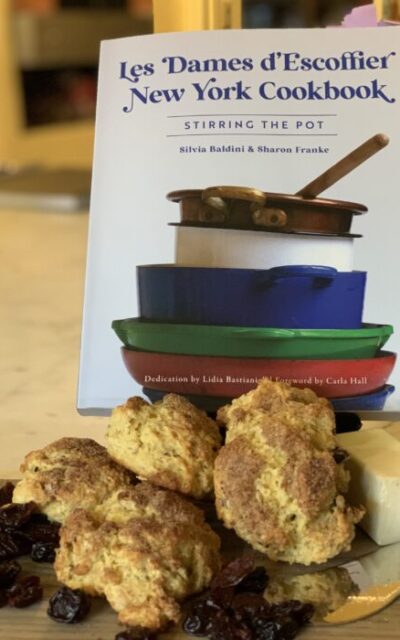
The Book of Gin by Richard Barnett is a tidy history of this wondrous beverage. It’s us Americans who made it into a cocktail, by the way. Before that, gin was drunk “neat” all by itself. Oh perhaps, there was some carbonated water. After all that’s where Mr. Schweppes opened his London factory to make first carbonated and later quinine water. In 1790. After he gave up being an apprenticed German watchmaker.
The history of gin is just that: a history long with names that you know by heart, that you see in the supermarket each week, that you may well buy and take home with you. When did that history first being?
Actually, about 12,000 years ago. As the last ice age ended and the glaciers retreated, evergreen forests spread northward. And in the meadows flanking those forests, there have always been juniper bushes. Those juniper berries are actually fleshy pine cones.
Juniper, in the form of beverage or medicine or both, has been used from ancient Egypt on. First there, then in Mesopotamia. In the Arab empire, wine was evaporated and aqua vita was discovered. That’s a Latin and lovely phrase for alcohol, which comes directly from Arabic.
By the 1200s, alcohol was being made from wine and then proto-gins were being created using juniper barriers and other florals. Today, over 100 different ingredients are used in the many gins available to us. Even a “standard” gin, like Tanqueray, has a dozen flavors in it, not just those berries.
The Middle Ages beverages were really tonics, medicinal and created by monks using secret recipes and the local ingredients all gathered by hand. Who do we owe thanks to for modern gin? Why, it’s Henry VIII of course. Henry got rid of two things: wives and the Catholic Church. No church, no monks. So in England wives replaced the monk and many households had a still. That laid the foundation for producing distilled beverages in quantity and having them available for daily consumption.
While the Dutch actually did the first mass production of gin, using German grains, it was the British who went full bore. And it was in London that gin gained that first notorious reputation for fertilizing massive public drunkenness. Why? London was the largest city in the world. In the country side, the nobility owned the land and saw land values — their wealth — declining. To maintain value, the nobles wanted to grow lots of grain. How to sell it? Gin, not bread. Laws were passed making it expensive to import French brandy and other competitors of gin. The taxes were kept low on gin to inspire a soaring volume of consumption. The city poor could afford to drink. The nobility got their sales. And the British government received enormous revenue from low taxes on big volumes of gin.
That rather tangled situation generated the British temperance movement. From the movement there were born firms offering non-alcoholic alternatives to gin, firms suggesting that tea or coffee or cocoa would be better. Some of those firms, like Cadbury and Twinings, are with us today. And, on the shelves of your neighbor store.
Other names you know are Bols and De Kuypers, which date from the 1500s in The Netherlands, and were early gin firms. The first American gin maker? Fleischmann’s in 1870 in Ohio, with easy access to Midwestern grains.
The Book of Gin is full of history that will make you grin. The web of connections is very intense. Rose’s Lime Juice? It got its start as a solution for scurvy on British sailing ships. Preserved lime juice and gin became a solution to a problem that could wipe out 2/3 of a ship’s crew.
Those medicinal uses for gin are now far less important. Its role as the base for cocktails is the key role gin plays in our lives. While the popularity of gin has soared and dipped, the past two decades has seen an exceptional increase in the availability of small-volume, high-quality gins. Old-fashioned copper stills are back in vogue. Distillers now spend seven hours at a time watching that micro-batch from start to finish, smelling, blending, tasting, and — above all — seeking exceptional flavor.
If you want to spend a lovely evening or two, then Gin is an enchanting read. If you want a superior guide to the best in the current crop of gins, then the tasting appendix at the back of the book is worth the price alone. You’ll find more names, more connections, and great details. How did Prohibition impact gin. What role has it played in literature and film? Gin will tell you.
Next time you have that martini and ask, “How did this marvel happen?” — well, now you know where to find out.
On Photos and Rats and Strawberries: How to Shoot Your Food
Suzie and I love our blog and the ability to share with your our culinary journeys. We’ve learned, from your responses and from what is happening on other food sites, that the opening picture is often worth far more than just 1000 words. If you compare our photos from a couple of years ago, you’ll see we are making photographic progress. One step, no one shot, at a time.
I love this picture and so do the others who have seen it. The thing is, this photo is one you could do. There is nothing “special” technologically about this shot. It was taken with a Canon T2i using the standard 18-55MM lens that comes with the camera. That’s a modest investment of a few hundred dollars, not thousands.
I did use a camera setting called AV where I could limit the depth of field, so the strawberry is in focus along with the rat’s nose, but the rest of the rat is intentionally fuzzy.
I did not use Photoshop or any other tool here. This is just straight out of the camera.
What does it take to get a fun shot with these kinds of highlights and shadows? Patience. Just think a bit about the lighting and where those shadows fall. And it takes quantity. These are digital cameras, for pete’s sake, so just shoot. Take 20 shots, moving around with different angles and different focal points.
Experiment. And enjoy it! You want a good shot. Don’t try for perfection, although I kinda think this photo is pretty high on the scale. Just learn and get good. Some of your shots are going to be golden nuggets in no time.
Take shots when you are cooking, first of the ingredients on the table and then on the stove or in the pot or pan. After cooking as your serve, take your first plate and make it a showpiece to shoot. Wipe away those little imperfections: a trail of gravy or sauce, a crumb too many, a leaf out of place. You were taught as a child not to play with your food. You are now an empowered adult. Play away.
Ah, the rat. We had a visiting chef who tours the country. She may not want her name in the same sentence as rat so I will just say she is famous and wonderful and works in Colorado. She’s quite sane but I guess a bit superstitious. So she brings her plastic rat mascot — you knew it was fake, right? — and she asks people to put it somewhere while she cooks. She happened to have brought the most perfect strawberries — the rat is plastic but that berry is real and perfect. The rat looked hungry so I “fed” it. I had no plan on taking a photo, but how could I not come in close and personal.
The berries were great. The rat is home in Colorado.